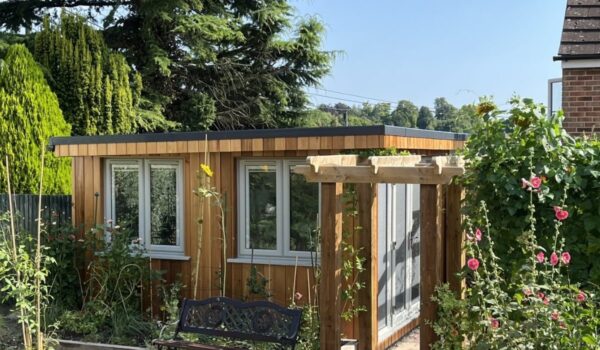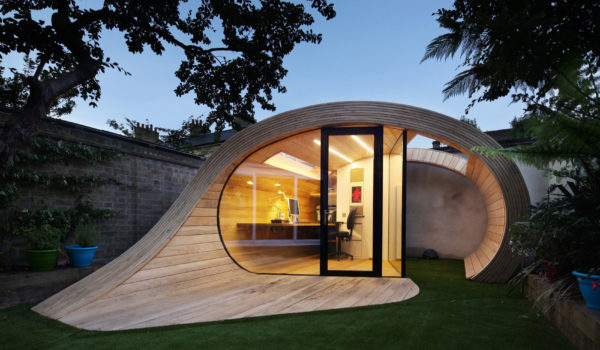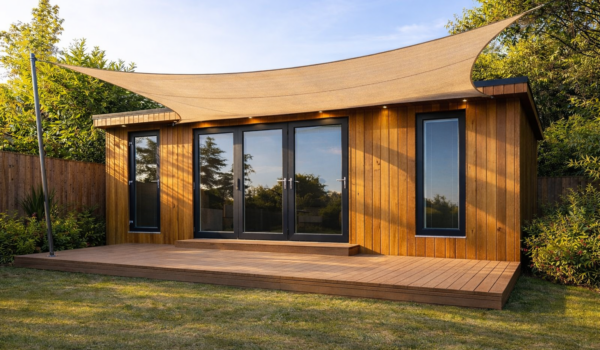





A modern garden room is a lovely thing to own. Sharp lines, full-height glazing and crisp cladding give it a polished, considered look that feels current rather than tacked on. The catch is that those same sharp lines can leave a contemporary garden room sitting in the garden like a separate object, a polished box set down on the grass rather than something made to belong. The contrast is most obvious in a young or open garden, where little around the structure eases the transition.
Biophilic styling is how you close that gap. Instead of fighting the architecture, it works with our natural pull towards greenery, texture and light, blurring the join between building and garden so the two begin to feel like one space. Most of it costs little and can happen gradually, as the garden fills in around the room.
Begin with Biophilic Flow
Biophilic design is the practice of weaving nature, natural light and organic materials into the spaces we build, on the simple basis that people feel better when the two are connected. Applied to a garden room, the goal is what you might call biophilic flow: a sense that inside and outside belong to each other, with no hard visual stop at the glass.
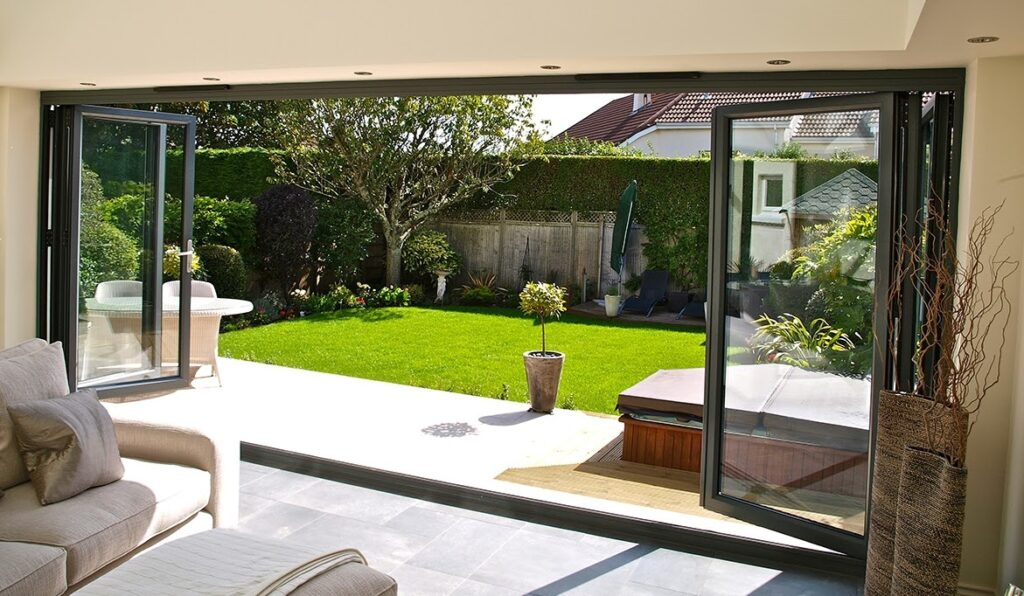
Getting there is less about grand gestures and more about repetition. When the colours, materials and shapes inside the room echo what is happening in the garden, your eye travels straight through the glazing without snagging. A timber shelf that echoes a nearby tree, or a rug whose greens answer the border outside, does more for that sense of belonging than any statement piece. That quiet continuity is what makes a structure feel rooted rather than added on.
Carry One Palette Across the Threshold
The quickest way to break that flow is to treat the room’s interior and the garden as two separate jobs. A cohesive scheme does the opposite. Choose a small palette of tones drawn from what is already outside, the greens of foliage, the grey of stone, the warmth of timber, and let it run from the inside of the room out into the planting and back again.
Furniture is where this really pays off, because it’s the layer that physically crosses the threshold. Picking outdoor pieces that share the materials, lines and colours of your interior keeps both zones reading as one. Garden furniture specialists Suns Lifestyle take the same approach in their garden styling advice, working outwards from a garden’s fixed features before layering in colour and texture. Repeat a tone or a material two or three times across the boundary and the join quietly disappears.
Let Planting Soften the Hard Lines
Planting is the most direct softener you have, because greenery does the work the architecture cannot. Tall grasses and airy perennials set close to the base will blur the line where the building meets the ground, so it looks settled rather than perched. A few well-placed shrubs at the corners take the edge off the boxiness without hiding the design you paid for. Vary the heights so the planting rises and falls along the walls, and the structure starts to feel woven into its surroundings.
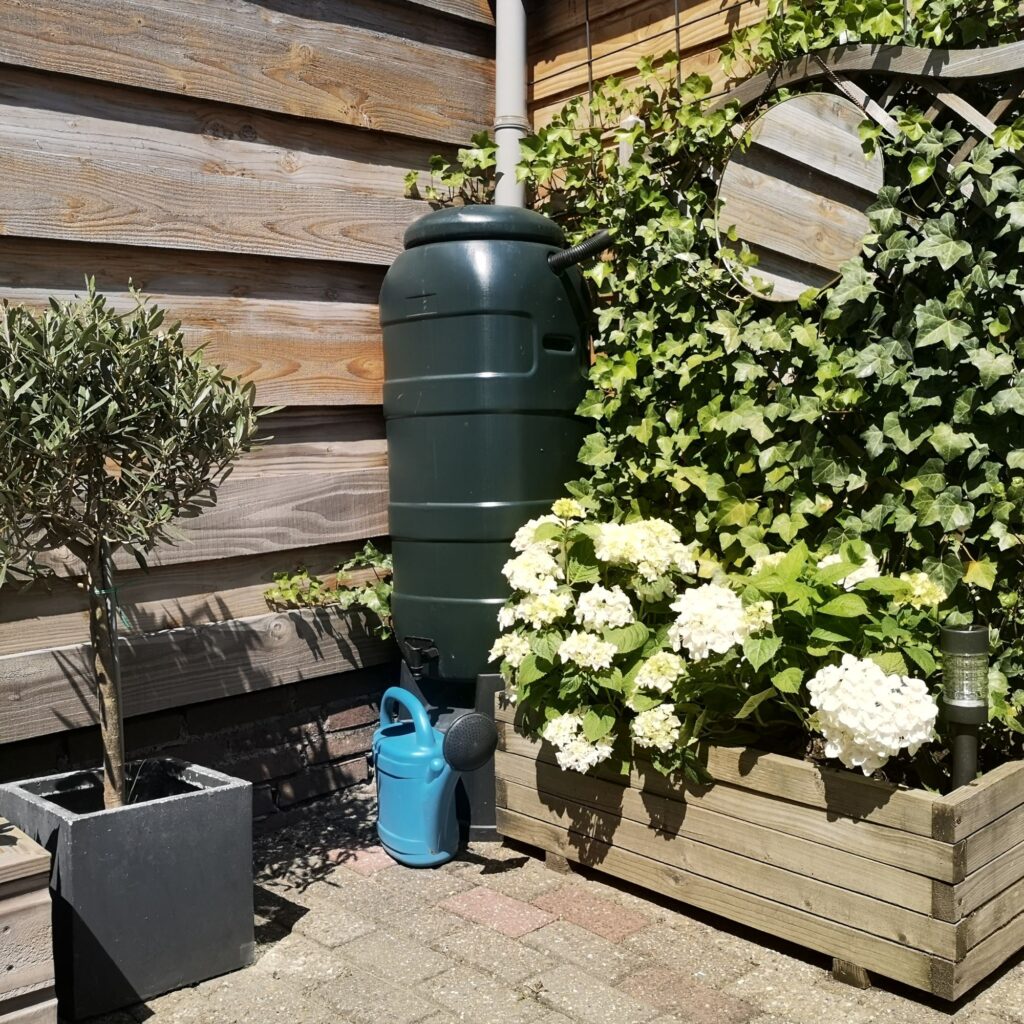
For the building itself, climbers and wall shrubs are hard to beat. As the RHS points out, they are one of the most reliable ways to take the edge off a hard boundary and lift the look of a plain building, gradually softening a blank elevation with foliage that shifts through the seasons. Train something light and deciduous using a trellis or freestanding screen set off the wall to create dappled shade in summer and clean lines back again in winter. Bringing a few of the same leaf shapes indoors, in pots beside the glazing, carries the effect through to the inside.
Position Furniture to Draw the Eye Outside
Where you place things matters as much as what you choose. Angle seating towards the best view of the garden, line up an indoor sofa with an outdoor bench beyond the doors, and keep sightlines low and open so the eye is drawn outwards. Slatted screens, trailing plants and a patio surface that echoes the tone of your indoor flooring all reinforce the feeling of one connected space. Warm, low-level lighting in the same tone indoors and out holds the effect together after dark.
None of this calls for a full redesign. A considered palette, the right planting and a little thought about where the furniture sits will turn a sharp modern structure into something that feels at home in its surroundings. For more on pulling a scheme together, our sustainable decorating ideas are a good place to start.
Are you ready to design a garden room that feels like a natural part of your garden?
Get in touch with us today to discuss your project.