




Garden buildings, be they plastic-roofed conservatories or other outbuildings surrounded by walls of glass, despite being beautiful and functional, can impart a cruel irony. We spend our winter months dreaming of a sun filled garden retreat, only to find it practically uninhabitable by June. Between the blinding glare and ‘greenhouse effect’, many homeowners find themselves retreating from the garden room they hoped would deliver a year-round space.
While many builders and garden room installers may tell you air conditioning is a ‘near essential’ feature, we disagree. Why rely on mechanical, energy-intensive fixes, when architectural design may solve the problem at source?
At Kingdom Rooms we believe the answer is rooted in the shading of a garden space. Getting this aspect right from the beginning is far less resource- and cost-heavy than retrofitting a HVAC system later down the line, potentially undoing months of hard installation work.
The Surprising Power of External Shading
Well before air conditioning even existed, overhangs, shutters, and canopies all helped to keep interiors cooler when temperatures rose. The logic is sound: prevent as much solar heat from entering the building as possible, as opposed to removing it once it’s already made its way inside.
Many homeowners miss this ages-old tactic. Curtains and internal blinds provide some level of heat control, but by the time that direct sunlight reaches them, much of its heat energy has penetrated through glass. Internal shades, on their own, rarely make a room much cooler.
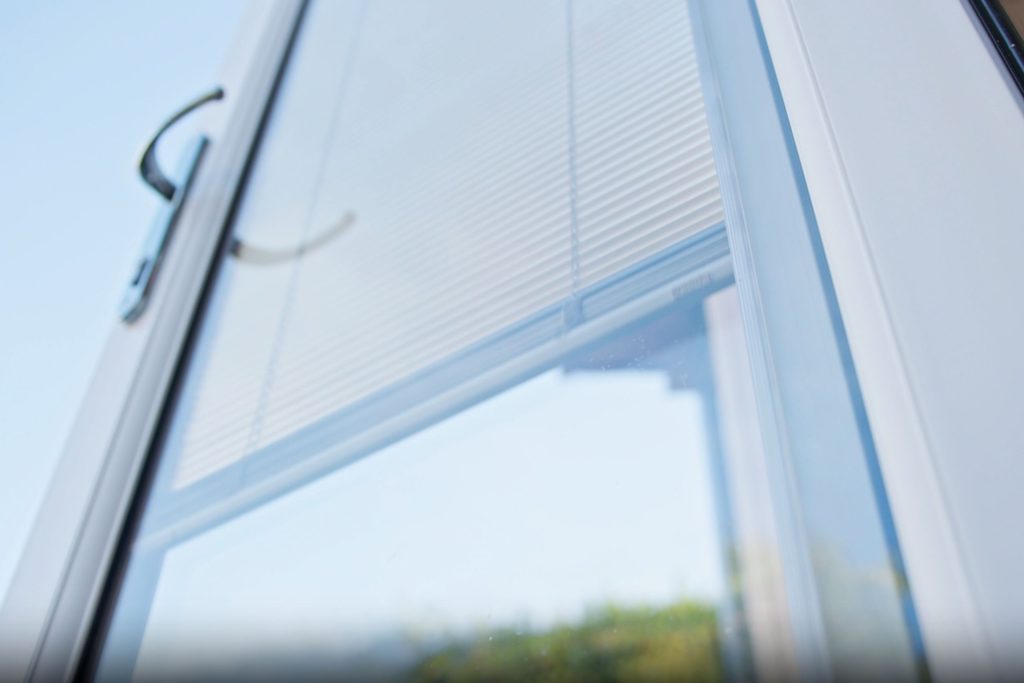
External shading, however, by contrast, intercepts heat as a first barrier. The team at Aquarius Blinds, a professional awnings and blinds company with over 40 years of experience, put it plainly and eloquently in their guide to external shading, “external blinds stop sunlight before it can enter the home, keeping interiors comfortable even on hot summer days. This not only improves comfort, but reduces energy consumption needed to cool the home. External blinds also serve as an architecturally interesting element on building facades. Their versatile design complements both modern and historical architecture…”
The reduced energy consumption is particularly salient, with the same principle applying whether you are working with an awning over a patio, an overhanging canopy on a garden room, or a purpose-built external blind integrated into the glazing system itself.
How Kingdom Rooms Approaches This
Andy Young, Kingdom Rooms’ garden room expert, has long advocated for considering thermal comfort at the design stage, rather than as something to address once the structure’s been built. Kingdom Rooms regularly uses internal glass blinds, positioned cleverly to deflect heat before it fully ingresses through the glazing. This produces a markedly lower internal temperature than if standard curtains or roller blinds were deployed indoors.
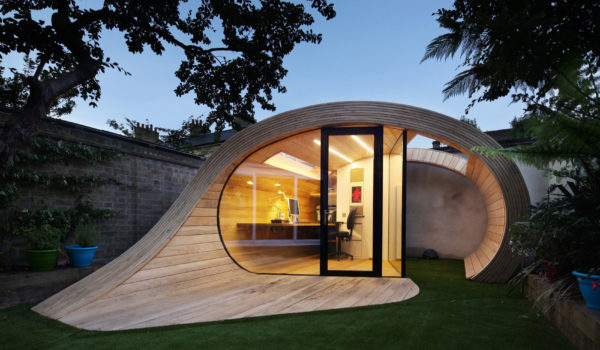
However, bigger conversations around shading need to be had. Your chosen positioning of glass in your garden building matters tremendously.
- East-facing glazing will draw in morning sun, which can help warm it up early in the day.
- South- and west-facing glass, however, can attract intense heat in the afternoons, whereby inadequate shading will make the room genuinely unusable.
Canopies, Sails and Overhangs
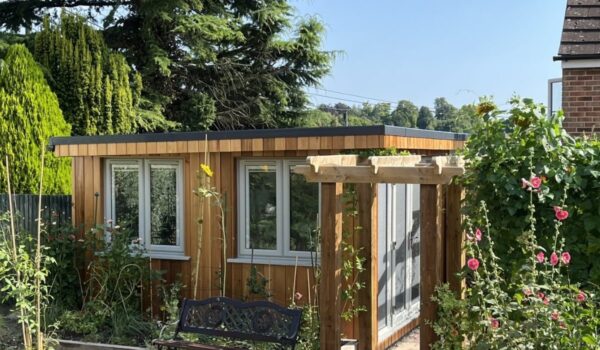
Have you ever considered an overhanging canopy above a glass roof or wall panels? These canopies can be sized to cast shade across the glazed windows and doors below, while still allowing enough diffused light through to illuminate the space inside. What’s more, a canopy that extends to one side of the building can double as a covered outdoor seating area, which can make outdoor dining more comfortable when the summer heat intensifies. If you want larger canopies, ensure the roof structure is substantial enough to handle both the canopy’s weight and any additional loads from snow, rain and wind.
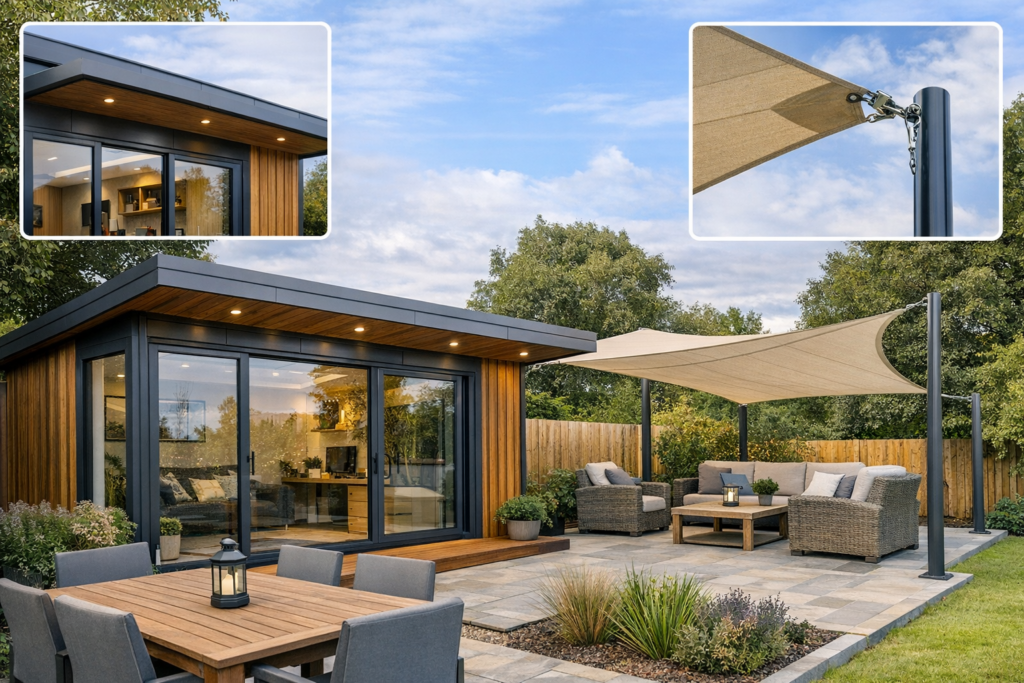
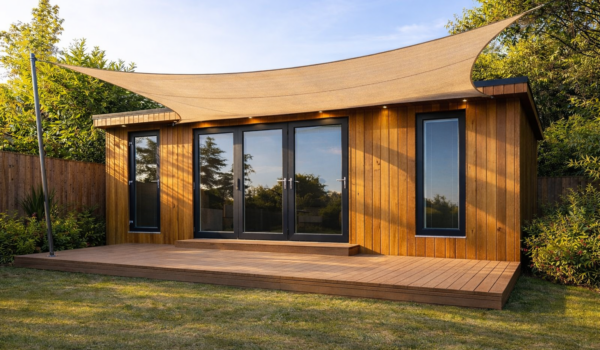
Similarly, sail-type shade structures can prove fruitful, economical and cost-efficient, available either as removable products to take down in winter or as permanent fixtures. Companies such as Clara Shade Sails produce sail shades in performance fabrics designed to offer sufficient UV protection and inhibit algae build-up, which can make conservatories or glass-fronted buildings more comfortable. Cheap cloth products can deteriorate rapidly in UK conditions, and if your garden is exposed to strong winds, secure sail shade fixing is important.
Making the Most of Parasols
Large, high-quality parasols, positioned adjacent to the garden building, offer more than shading a seating area underneath it. Depending on the sun’s angle, it can cast additional shade onto the glass itself, particularly during the mid-afternoon sun. Challenger Parasols, a garden parasol expert, offer commercial-grade options designed to stay resilient in high winds, making them highly practical for garden settings which may double as a place to work during the days in the working week and entertain during summer evenings and weekends.
Build in Flexibility From the Start
Ultimately, the goal is to have a garden space that earns its keep 365 days a year. Shade your garden well from the start and you can create a space far more likely to stay naturally temperate and more cost effective to run.
Even with thoughtfully considered shading from the outset, you may lean towards air conditioning as a supplement. If so, a little foresight goes a long way.
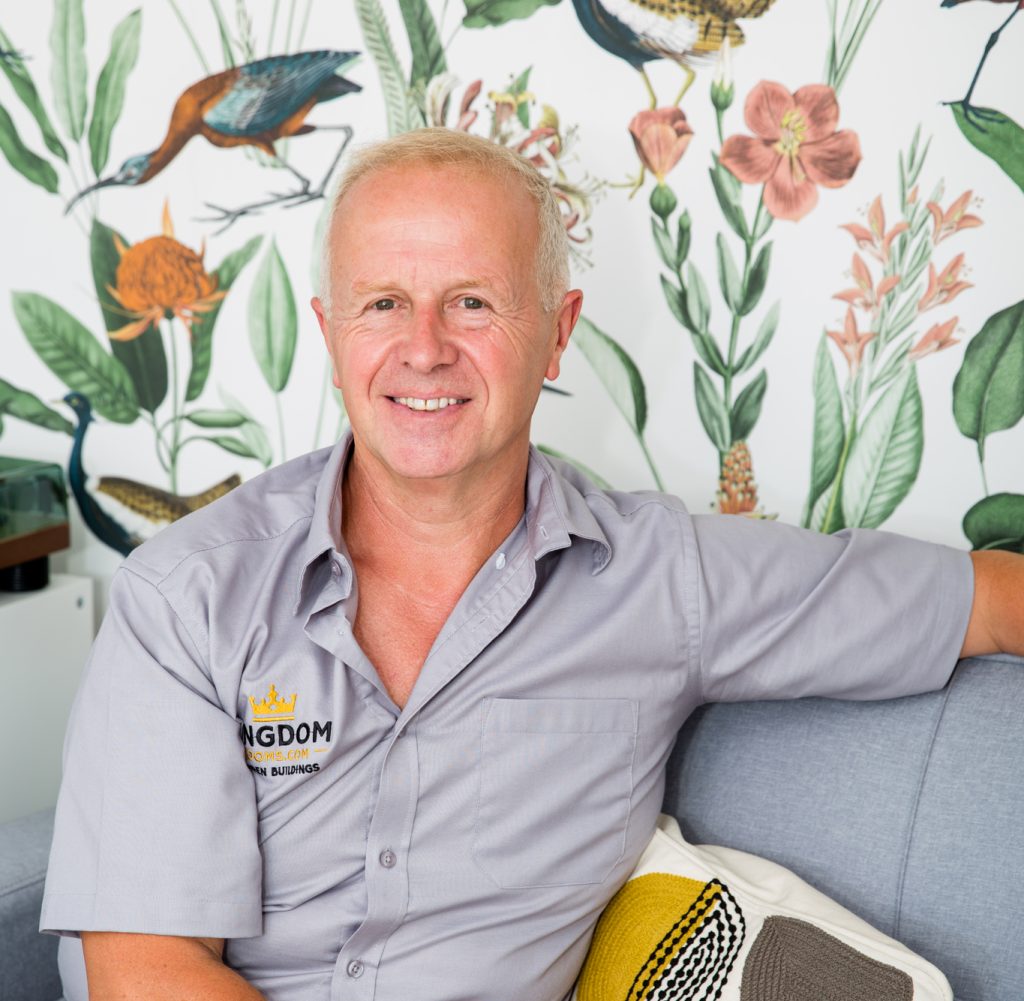
Andy’s golden rule…
Always have a spare electrical socket or two installed in the garden room during the first build phase, and photograph the cable runs before the plasterboard goes up and the walls are finished. This can make a future retrofit straightforward and inherently more affordable, rather than requiring invasive reworking later on.
Get In Touch
Are you ready to design a garden room with year-round potential? Get in touch with us today to discuss your project.