




Garden buildings designed for year-round use are built very differently from traditional summer houses, conservatories, or other occasional-use garden spaces. To remain comfortable, practical, and reliable throughout the year, they need to be properly designed from the outset with integrated electricity, effective heating, high-quality insulation, suitable glazing, and appropriate ventilation all working together.
At Kingdom Rooms, we design and install garden buildings that are intended to be used every day, in every season. Rather than relying on temporary solutions or later upgrades, these systems are planned into the build from day one, creating a space that feels like a genuine, usable room all year round.
We will explain what makes a garden building suitable for year-round use, and the key systems that make that possible.
| A Kingdom Garden Room vs Other Garden Building Options | ||||
|---|---|---|---|---|
| Feature | A Kingdom Room | Summer House | Conservatory | Generic Garden Buildings |
| Year-Round Use |  |
 |
 |
|
| Insulation Performance | |
|
|
|
| Energy Efficiency | |
|
|
|
| Moisture & Ventilation Control | |
|
|
|
| Custom Design Flexibility | |
|
|
|
| Designed for Daily Use | |
|
|
|
Included
Limited
Not Typically Included
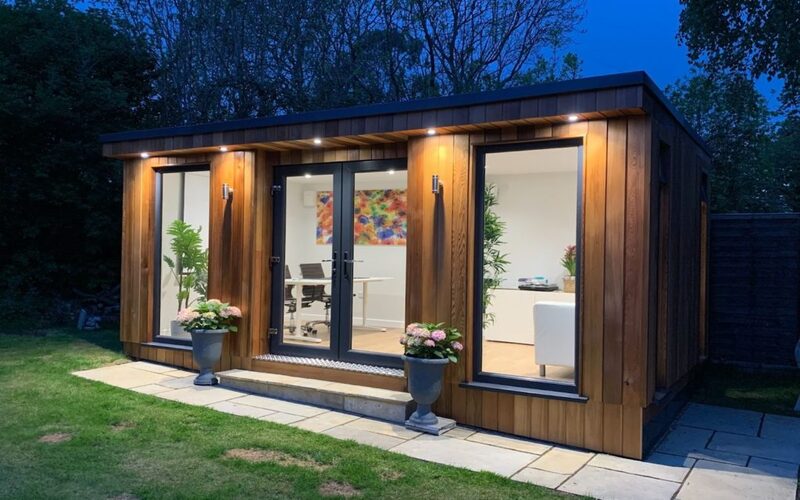
Garden buildings with integrated electricity
Electricity is a foundation of year-round use. Without properly installed electrics, a garden building quickly becomes limited to daytime or seasonal use.
Integrated electrical systems allow for:
- Fixed lighting suitable for darker winter months
- Power for heating systems and thermostats
- Socket layouts that support home offices, studios, or gyms
- Safe, compliant installation without temporary cabling
When electrics are planned as part of the build, the space functions like a real room, not a garden shed with an extension lead.
Heating systems for year-round garden buildings
Heating is what makes a garden building genuinely usable during colder months. Modern garden buildings typically use efficient electric heating systems that provide steady, controllable warmth without excessive running costs.
Well-designed heating systems:
- Maintain comfortable temperatures in winter
- Work efficiently alongside insulation
- Can be controlled with thermostats for consistent comfort
The effectiveness of heating depends heavily on how well the building is insulated and sealed.
Read More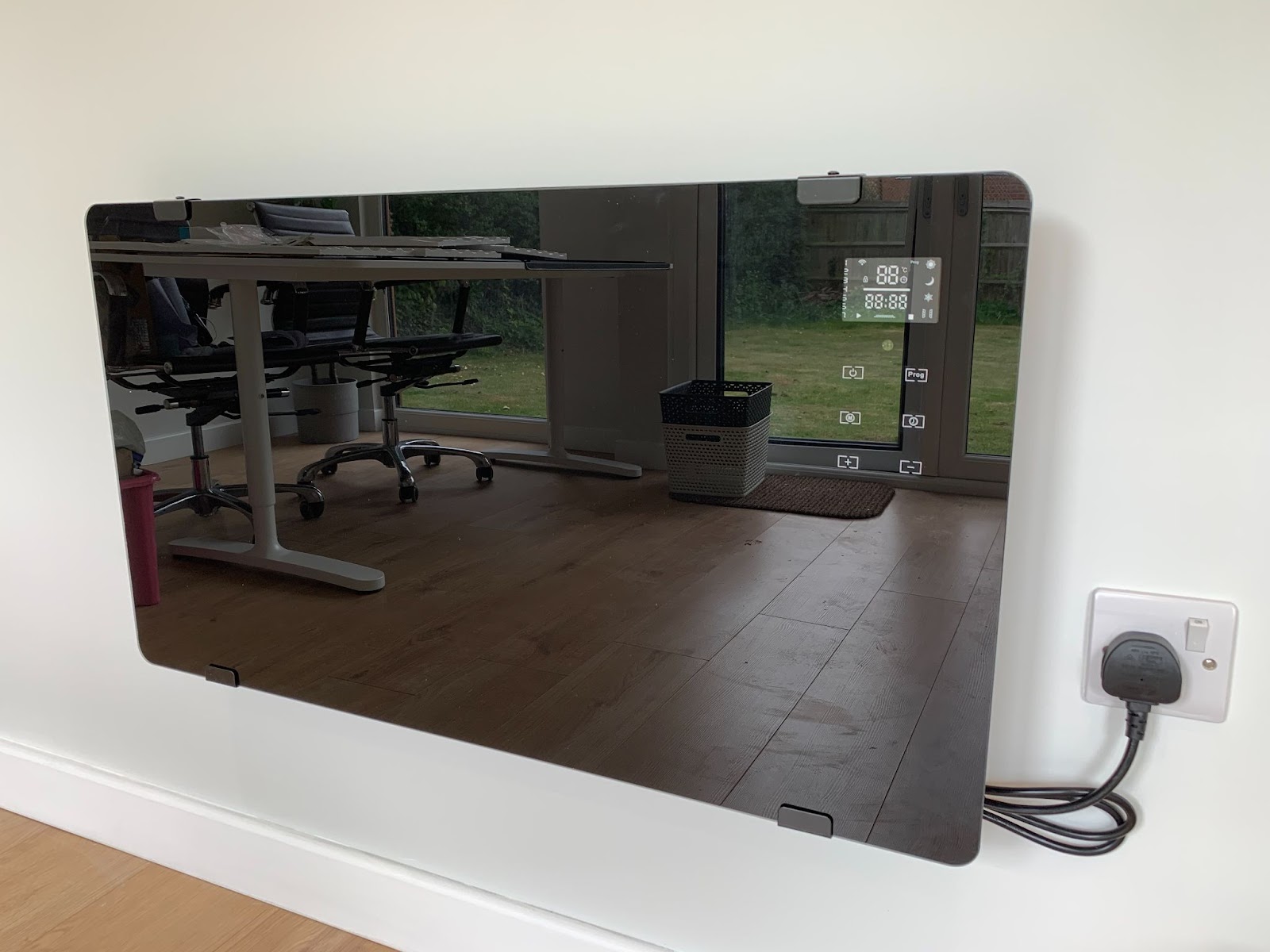
Insulation for year-round garden buildings
Insulation is what allows a garden building to stay warm in winter and comfortable in summer. Without it, heating becomes inefficient and expensive.
High-quality insulation:
- Retains heat for longer periods
- Reduces temperature fluctuations
- Improves energy efficiency
- Helps control running costs year-round
Insulation is one of the most important differences between a year-round garden building and a basic summer house.
Read More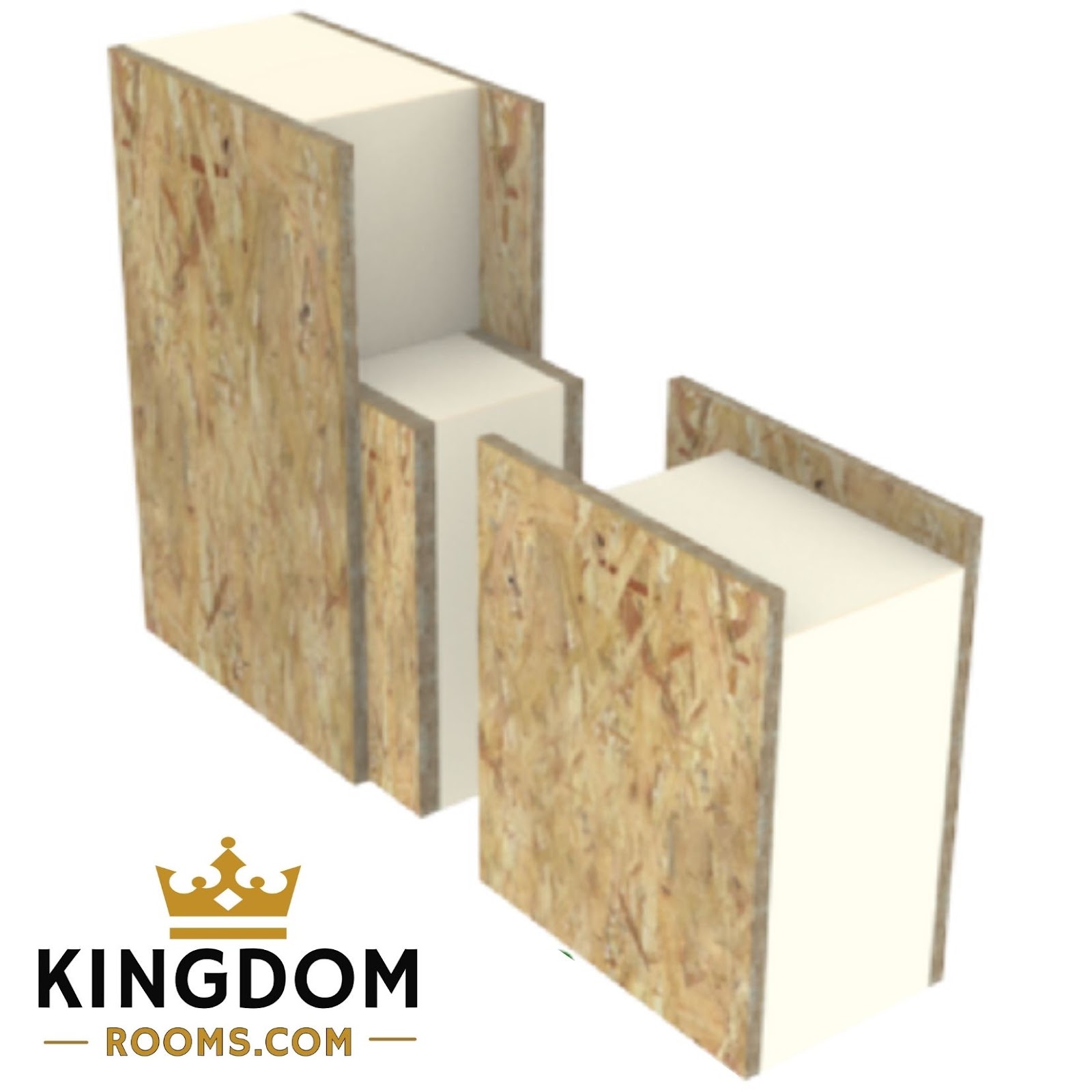
Glazing options for year-round garden rooms
Windows and doors play a major role in how a garden building performs throughout the year. The right glazing allows natural light in while minimising heat loss and reducing external noise.
Good glazing design:
- Improves thermal performance
- Provides usable daylight during shorter winter days
- Contributes to overall comfort and quiet
Glazing choices should always be considered alongside insulation and heating. Many people also choose glazing with integrated internal blinds, as this allows light, privacy, and temperature to be managed easily throughout the year.
Read More
Ventilation and moisture control
Ventilation is often overlooked, but it’s essential for maintaining a healthy, comfortable space. Without proper airflow, condensation can build up, particularly during winter when heating is in use.
Effective ventilation:
- Reduces condensation and moisture
- Improves air quality
- Helps protect the building long term
Balanced ventilation ensures comfort without sacrificing warmth.
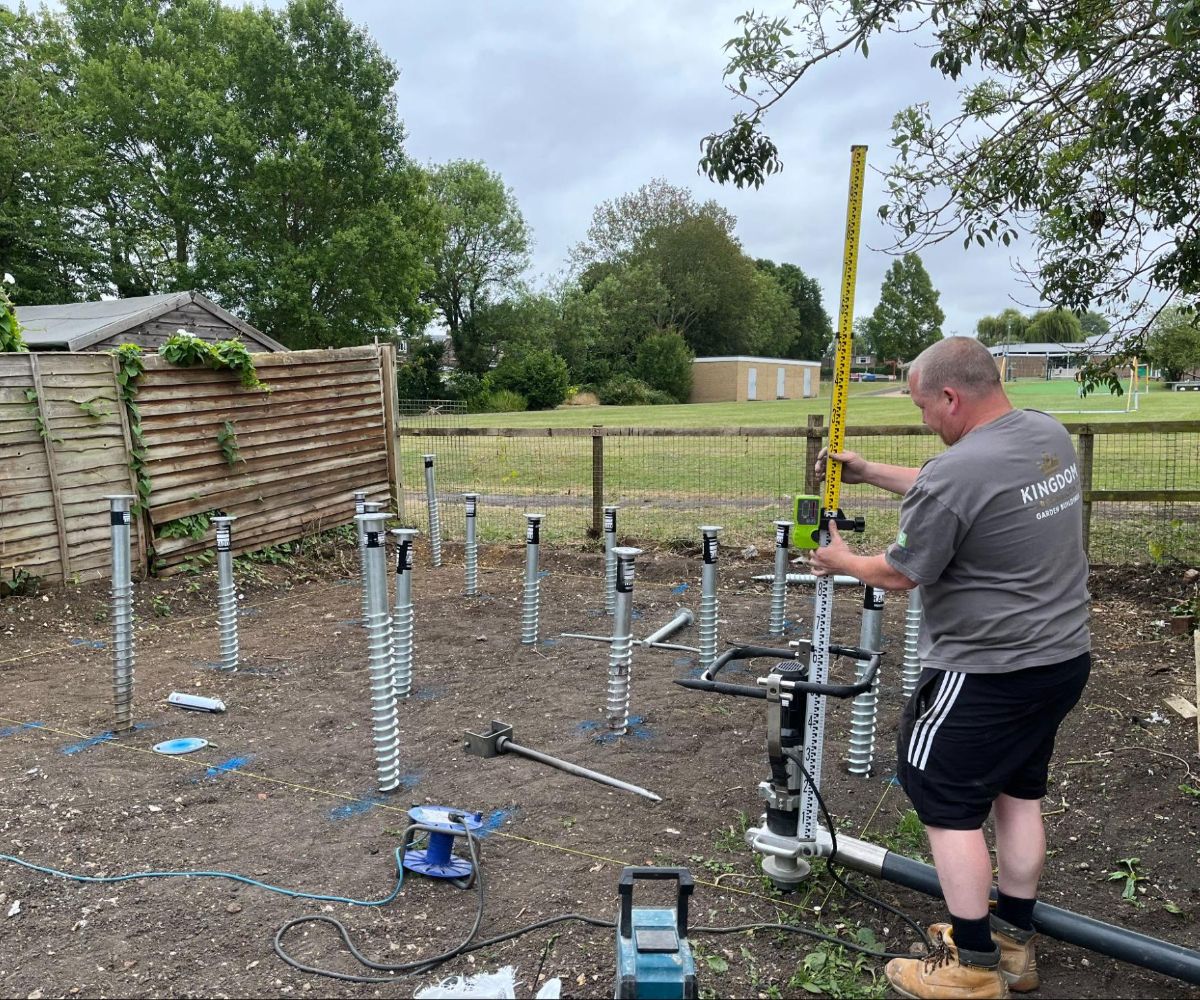
Read MoreA technique we’ve found helps with moisture and ventilation control is ensuring the building sits above ground level. Our custom-designed ground screw foundations are designed to do exactly this, allowing air to circulate beneath the structure and helping to prevent moisture from becoming trapped under the building.